

Move a washing machine in 5 steps
Moving a washing machine is a complex task that demands attention to detail and a methodical approach to ensure the safety of the appliance and the individuals involved. This guide provides an exhaustive overview, equipping you with the knowledge to execute the move efficiently and effectively.
Introduction
Relocating a washing machine, whether across the room or to a new home, is not merely about transporting a heavy object. It involves understanding the nuances of the appliance, preparing it for the move, and ensuring its functionality remains intact post-relocation. This guide aims to navigate you through each step with precision and care.
Pre-Move Preparation
Disconnecting the Machine
The initial step involves safely disconnecting the washing machine from electrical sources, water supplies, and drainage systems. This process reduces risks of accidents and prepares the machine for transportation.
Cleaning and Drying
Cleaning the appliance thoroughly and ensuring it is completely dry are crucial steps. These actions prevent the growth of mould and the emergence of odours, maintaining the appliance's hygiene and longevity.
Securing the Drum
Transport Bolts Usage
Transport bolts are vital for securing the drum and preventing internal damage. These specialised bolts restrict the drum's movement, safeguarding its components during transit.
Drum Protection Methods
Beyond transport bolts, consider additional protective measures such as padding or bubble wrap to cushion the drum and further minimise the risk of damage.
Handling Water Hoses and Cables
Detachment
Carefully detach all water hoses and cables. Labelling each component can facilitate an efficient reattachment process.
Organisation and Storage
Proper organisation and secure storage of these components prevent damage or loss, ensuring a smooth reinstallation at the new location.
Packing Materials and Tools
Choosing the appropriate packing materials and tools is imperative. Items such as moving blankets, bubble wrap, and sturdy tape provide essential protection, reducing the likelihood of scratches or external damage.
Loading Techniques
Using a Trolley
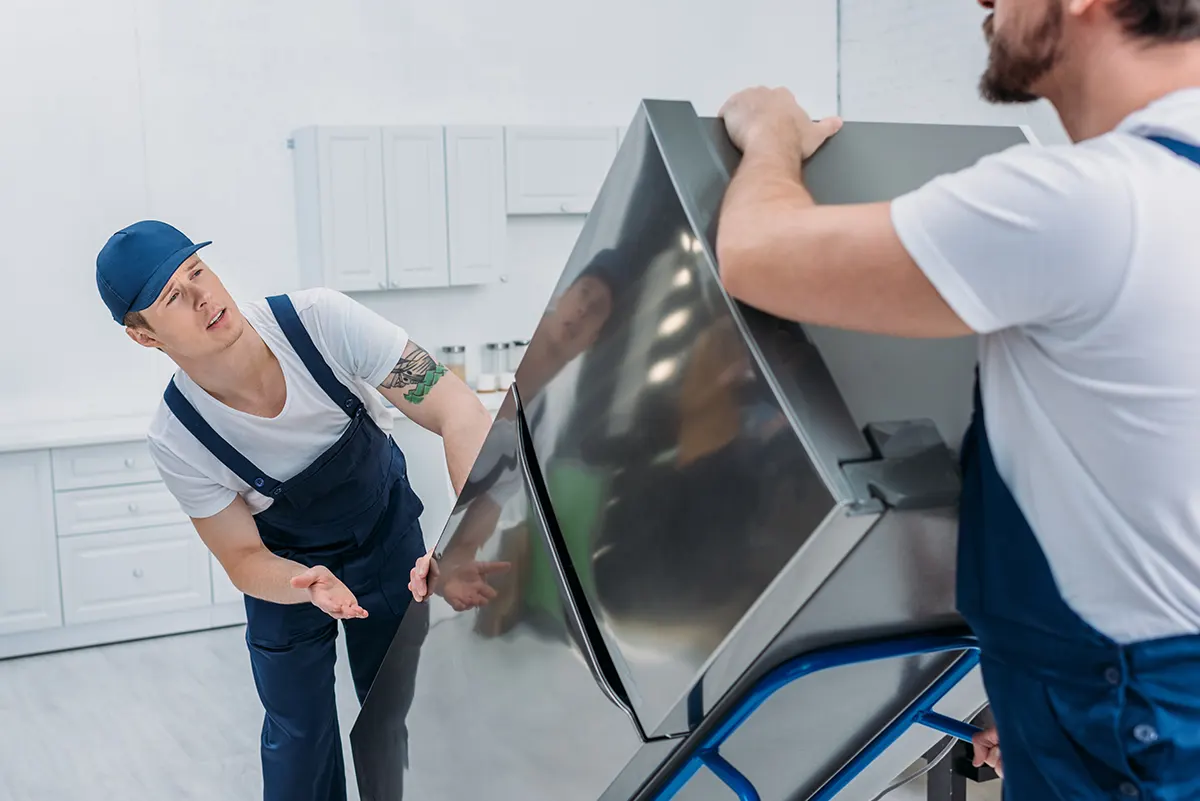
A trolley is an indispensable tool for moving heavy appliances. Securing the washing machine to the trolley ensures stability and ease of transport.
Lifting Strategies
Employing correct lifting techniques is crucial to avoid personal injury and protect the appliance from damage. This includes lifting from the knees and using team lifts when necessary.
Transportation Considerations
Selecting an appropriate vehicle and securing the washing machine within it are key steps. Properly positioning and fastening the appliance prevents movement and potential harm during transit.
Unloading and Reinstallation
Placement in the New Location
Upon arrival, carefully unload and position the washing machine, considering its final placement for optimal functionality.
Reconnecting
Reconnecting involves attaching all hoses, ensuring the appliance is level, and connecting it to power sources, following the initial disconnection steps in reverse.
Troubleshooting Common Issues
Address potential issues such as unbalanced loads or leaks with practical solutions, ensuring the appliance operates efficiently post-move.
Maintenance Tips Post-Move
Post-move maintenance, including calibrating the machine and conducting routine cleanings, is essential for its longevity and performance.
How to Move a Washing Machine
This section underscores the comprehensive process of relocating a washing machine, focusing on efficiency, safety, and the appliance's preservation.
Safety Measures During the Move
Highlighting safety measures for both individuals and the appliance is crucial to prevent accidents and ensure a secure moving process.
DIY vs. Professional Movers
Weighing the pros and cons of a DIY move against hiring professionals can help in making an informed decision based on cost, convenience, and capability.
Environmental Considerations
Emphasising the importance of environmentally friendly practices, such as recycling or properly disposing of old appliances, reflects a commitment to sustainability.
FAQs
- Can I move a washing machine by myself? While it is possible, enlisting help or considering professional movers is advisable due to the appliance's weight and complexity.
- What should I do if my washing machine does not fit through the door? Measure all passageways beforehand and, if necessary, disassemble removable parts of the machine or door frames to create additional space.
- How can I protect my washing machine during transit? Use appropriate packing materials, secure the appliance on a moving trolley, and ensure it is firmly positioned within the transport vehicle.
- Should I hire professionals to move my washing machine? If you're unsure about safely managing the move, hiring professionals can provide peace of mind and ensure the appliance's integrity.
- How do I reinstall my washing machine at the new location? Reverse the disconnection process, carefully reconnecting all components, ensuring the appliance is level, and conducting a test run to confirm functionality.
Successfully moving a washing machine requires meticulous planning, proper tools, and an understanding of the appliance's needs. By following this detailed guide, you can ensure a smooth transition, safeguarding both your physical well-being and the washing machine's operational efficacy.