

- Moving heavy furniture takes planning, safety, and the right gear. Clear paths, measure spaces, and use sliders, dollies, and straps. Learn safe lifting techniques for stairs, protect your furniture with padding, and know when to ask for help. Some jobs are DIY, others need professionals.
Don’t we all get excited about the idea of moving to a new house? That’s until you realise someone has to carry the sofa down the stairs.
We’re not gonna lie: heavy furniture is tricky business. Done wrong, you can injure yourself, damage your walls, or break the very piece you are trying to save. With the right approach, you can succeed without too much drama.
If you’ve been wondering how to move heavy furniture safely, here are some tips from the best removalists in Melbourne on how to go about it step by step.
Preparing Before the Move
Shifting heavy furniture is not something you want to rush into. Preparation will save you time, sweat, and maybe even a few spikes in your stress levels.
- Start by clearing pathways. Look at the route you plan to take and move anything that could get in the way. Shoes, rugs, kids’ toys, and even the dog bowl should be out of sight. You don’t want to trip while moving your pool table.
- Next, measure doorways and staircases. Nothing’s worse than realising the bookcase won’t fit after you’ve already lifted it. A tape measure will tell you if it needs to be tilted or disassembled first.
- Protect your floors and walls. Put down old sheets, cardboard, or towels in areas with tight corners. You’ll thank yourself when the paint and tiles remain scratch-free.
- Finally, gather supplies. Straps, dollies, sliders, and blankets are must-haves here. Before you figure out how to move heavy furniture safely, make sure you have everything within reach.
Safety First
Moving heavy furniture is a test of strength, but injuries often happen when people get careless.
- Always lift with your legs, not your back. Bend at the knees and keep the weight close to your body. Your spine will thank you later.
- Wear proper footwear and gloves. Sneakers with a good grip stop you from sliding. Gloves protect your hands from sharp edges and splinters.
- Work in pairs or teams when possible. One person guides, the other carries. Make sure you talk through each move before you start.
- Most importantly, know your limits. Learning how to move heavy furniture safely means admitting when something is simply too heavy to handle. If you’re moving a piano, it might be best to leave something that fragile up to the experts.
Essential Tools and Equipment
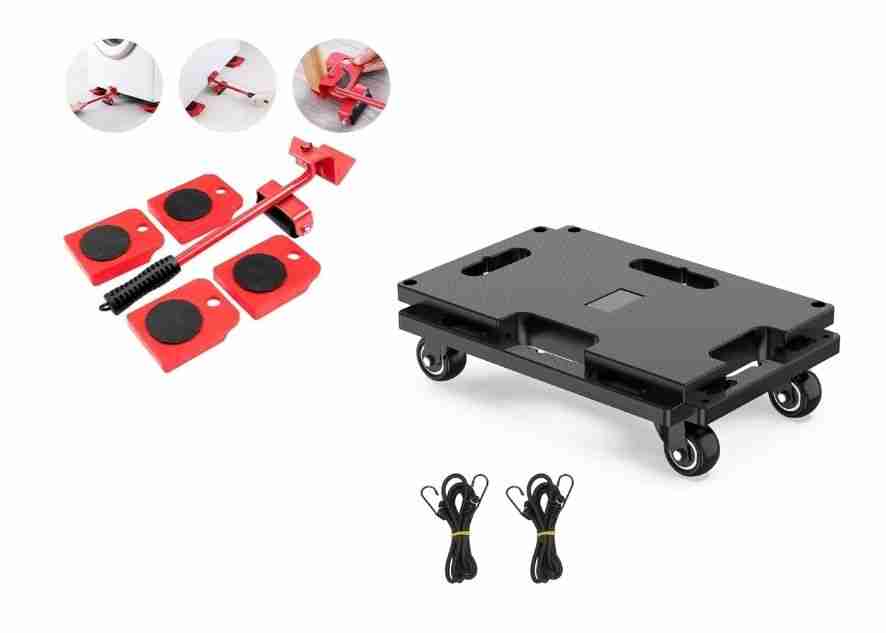
Your muscles will only get you so far. The right equipment takes the load off and keeps things moving smoothly.
- Furniture sliders are handy discs you slip under each corner. They let you glide a sofa across the room without scratching the floor.
- Hand trucks and dollies are brilliant for tall or boxy items like fridges and bookshelves. Tilt the item back, strap it in, and roll it away.
- Lifting straps look like oversized seatbelts, but they give you leverage and distribute weight more evenly. They make it feel like you are lifting half as much as you really are.
- Moving blankets and padding keep furniture safe during bumps and scrapes. If you’re wondering how to move extremely heavy furniture without ruining it, blankets are the answer.
Techniques for Lifting and Carrying
Once you have the tools and the help, it’s time to move. This is where technique matters more than brute force.
- Learn how to tilt and balance large items. A slight angle often makes it easier to guide through doorways.
- On stairs, use the “high-low” method. One person goes up or down first, holding the lower end, while the other balances the top. Knowing how to move heavy furniture down stairs safely is all about steady pacing and constant communication.
- Sometimes awkward shapes are the hardest part. Use leverage. Rock the item gently from side to side to ease it into place.
- Tight doorways need a bit of angling. Stand tall items upright, then rotate slowly through the space.
- If you’re learning how to move heavy furniture upstairs by yourself, take it one step at a time. Keep the weight leaning into the stairs rather than away from them, and use straps or sliders where possible to stay in control.
Protecting the Furniture Itself
Your back is not the only thing that needs saving here. Scratches, dents, and broken parts are all too common when shifting bulky items.
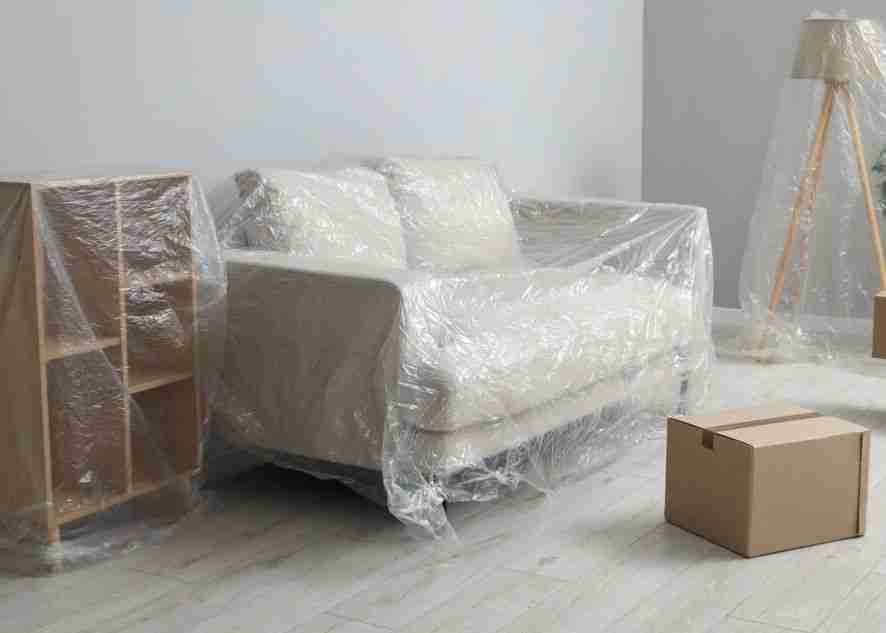
- Wrap fragile surfaces with blankets or protective plastic, like bubble or cling wrap. Glass, polished wood, and shiny finishes all need that extra layer.
- Disassemble what you can. Remove legs from tables, shelves from bookcases, and cushions from sofas. Smaller pieces are much easier to carry.
- Secure drawers and doors with tape or rope. A chest of drawers flying open halfway down the hall isn’t fun at all.
How to Move Heavy Furniture on Your Own
Sometimes, there’s just no one around to help. Moving heavy furniture alone is tougher, but it can often be done if you’re smart about it. A bit of prep here helps you avoid a lot of chaos later.
First, decide when it’s possible and when it is not. A three-seater lounge up a staircase is not a one-person job. But a dresser across the living room might be. The key is to use sliders and leverage whenever you can. They reduce friction and make items feel lighter.
Try safe tricks for single movers. Tilt items onto their edge and pivot slowly. Push rather than pull when possible. If the question “How to move heavy furniture by yourself?” has been lingering in your mind, know that the answer is simple: carefully, slowly, and only when the piece is within your safe limit.
Common Mistakes to Avoid
There are a few errors that make moving day much harder than it needs to be.
- Don’t rush the process. That’s when injuries and damage happen.
- Don’t skip measuring beforehand. Guesswork usually ends with a stuck couch and a frustrated mover.
- Whatever you do, don’t forget safety gear. Gloves and sneakers are minor investments compared to medical bills later on.
- Don’t try moving oversized items without help. Bravery is not worth a broken back.

Leave All The Heavy Lifting Up to Quick Pick Movers
Sometimes the smartest move is to call the experts. Professional movers have the training and equipment to handle even the bulkiest items. They know tricks most of us never think about.
Yes, there’s a cost, but compare that to time, risk, and potential damage. Hiring help often is the smarter and cheaper road in the long run.
Situations where DIY is risky include pianos, pool tables, etc. If the thought of carrying it makes your back ache already, leave it to the pros.
Whether it’s residential or office removals, trust Quick Pick Movers to handle all the heavy lifting, packing, and unpacking.
Get a free quote today!
Explore our other blogs.